Clear answers for real life with a dog.
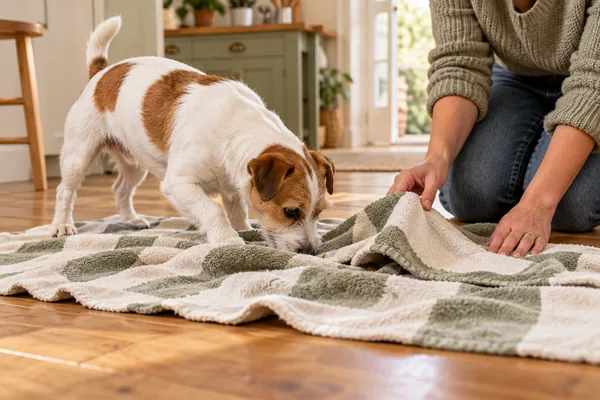
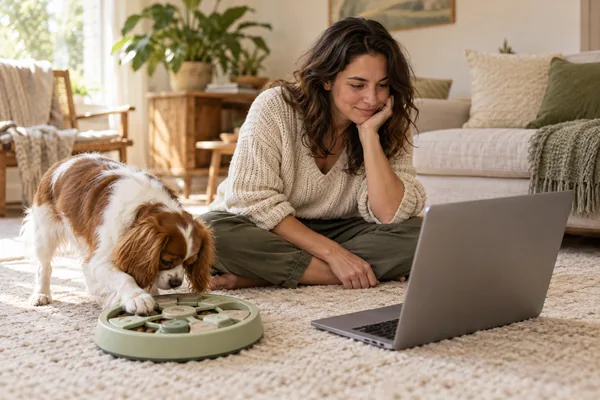
Simple, supervised games that use attention and curiosity without turning a rainy afternoon into a test.
A research-based look at the advertised course, its price and its limitations—without a made-up hands-on verdict.
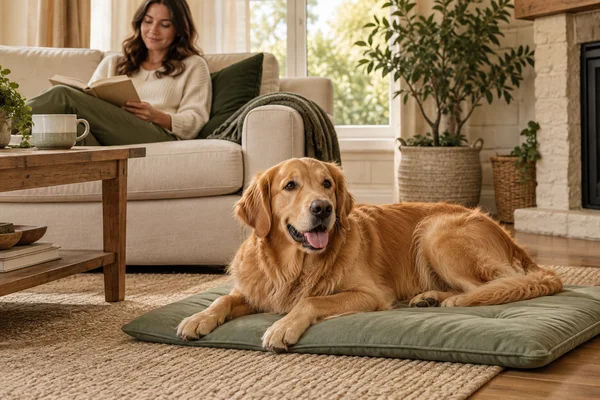
Build a quieter transition after activity and reward the small signs of relaxation you usually miss.
Start with the trigger, not the volume. A practical way to understand alert barking and make home life quieter.
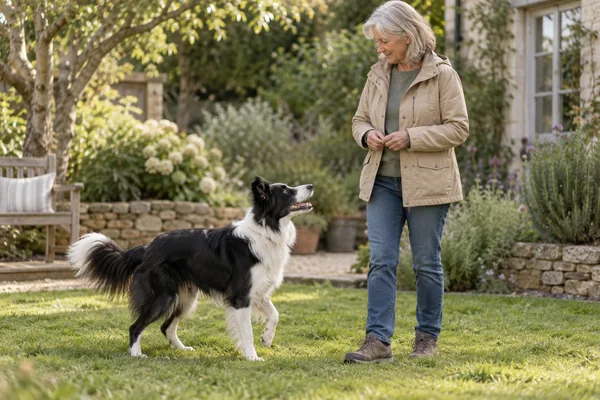
Build voluntary check-ins, a useful name response and a simple hand target without demanding constant eye contact.
Before calling your dog stubborn, check what the cue means in this place, with these distractions and this reward.
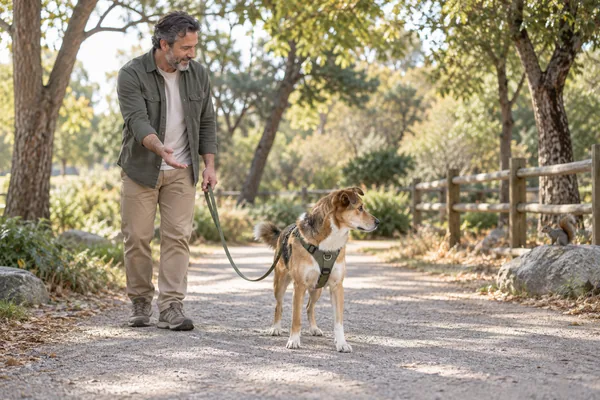
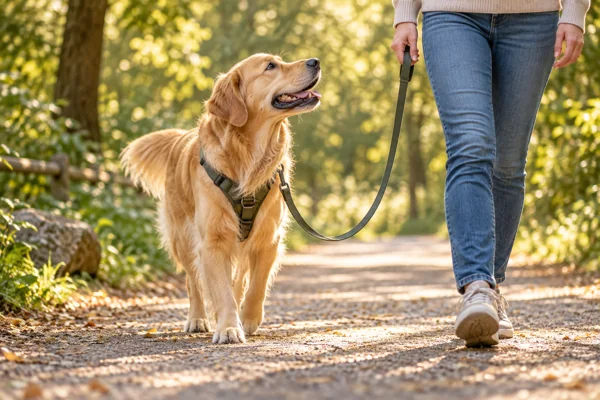
Begin with a few comfortable steps near you, then build toward real walks without expecting a perfect heel.
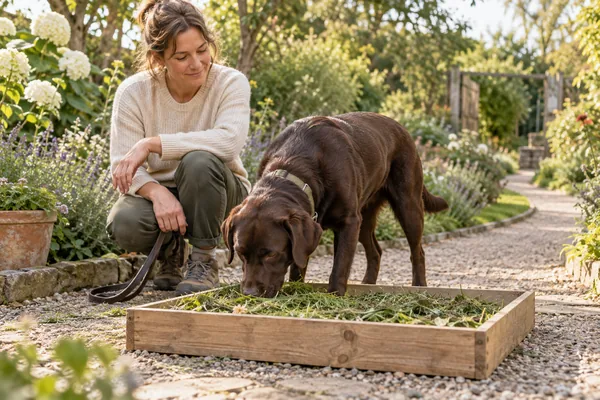
Thinking games and walks do different jobs. Build a balanced day without chasing a tired dog.
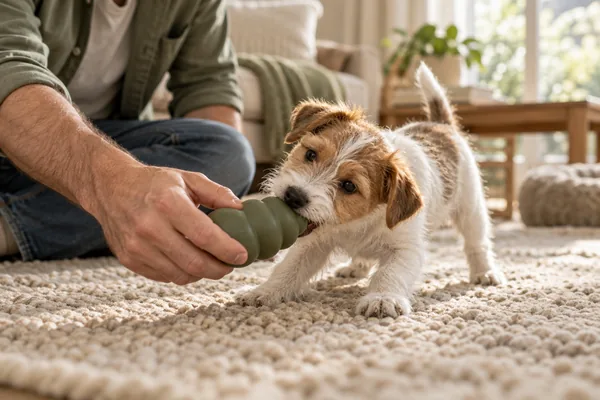
Prepare an alternative, lower the excitement and protect quiet time. A practical starting plan for ordinary puppy mouthing.
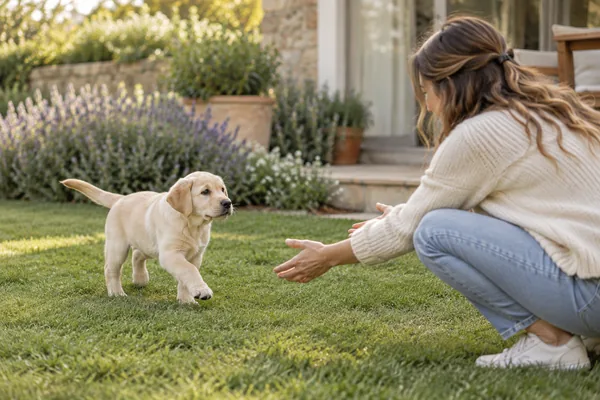
Start with a useful name response, coming a short distance and feeling comfortable with everyday routines.
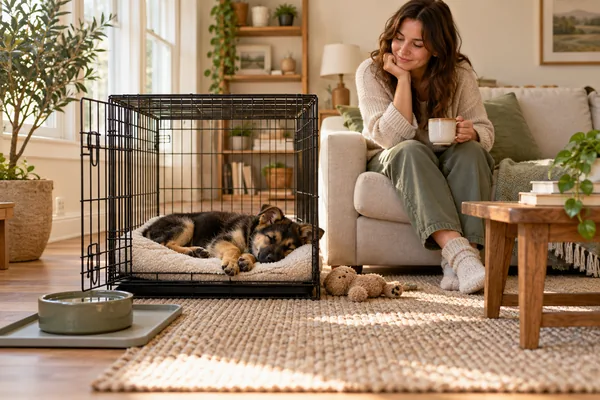
Make toilet opportunities, quiet rest and short lessons predictable while leaving room for the puppy in front of you.
Repeated demands for activity are a clue to investigate—not a diagnosis. Use a simple observation plan before adding more stimulation.
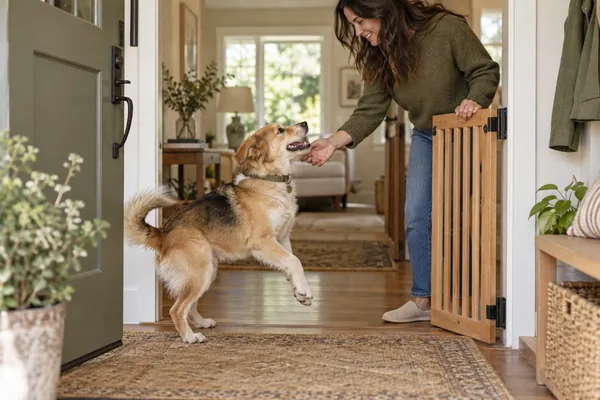
Make greetings easier and reward four paws on the floor before a jump gets started.
No matching guide yet. Try “puppy”, “brain games” or “walking”.
Allow optional measurement? Analytics helps us understand which guides are useful. Marketing tags may send browsing events to their providers. You can decline and still use everything.